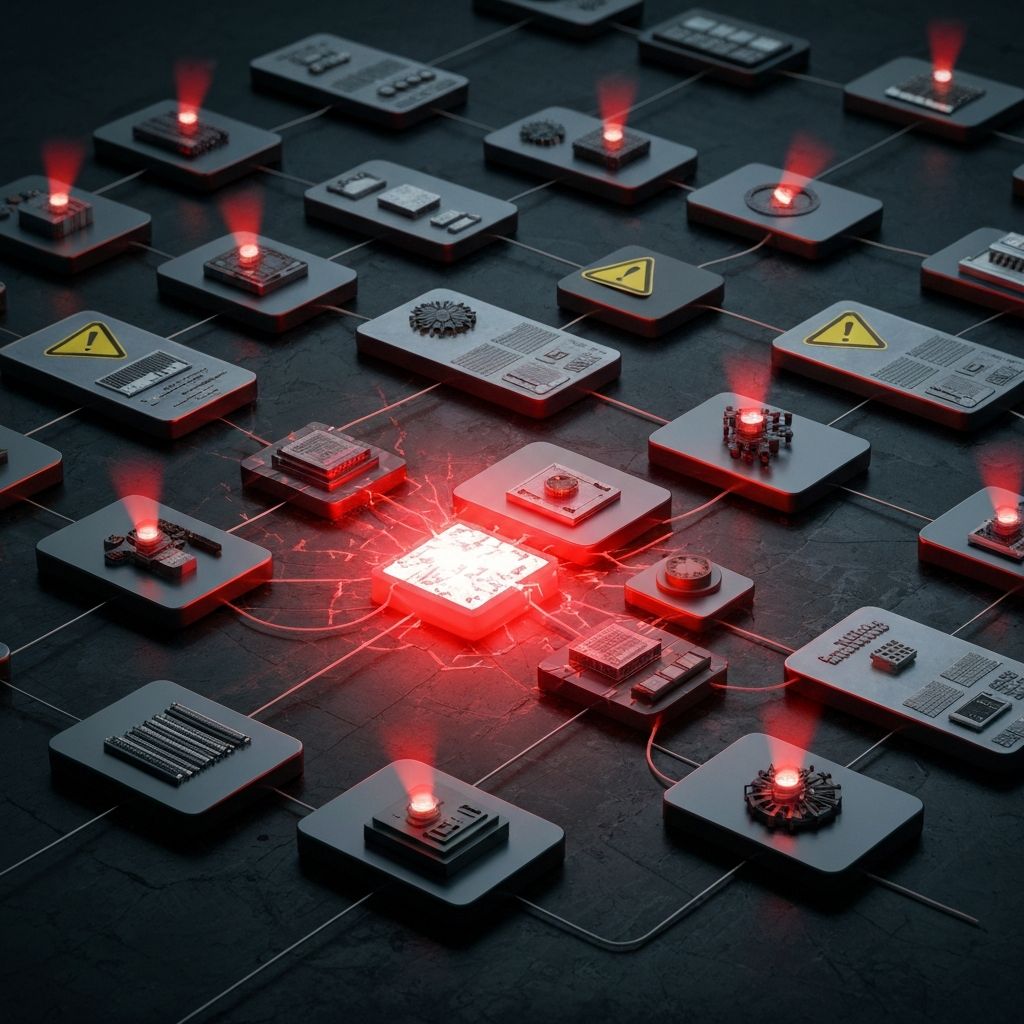
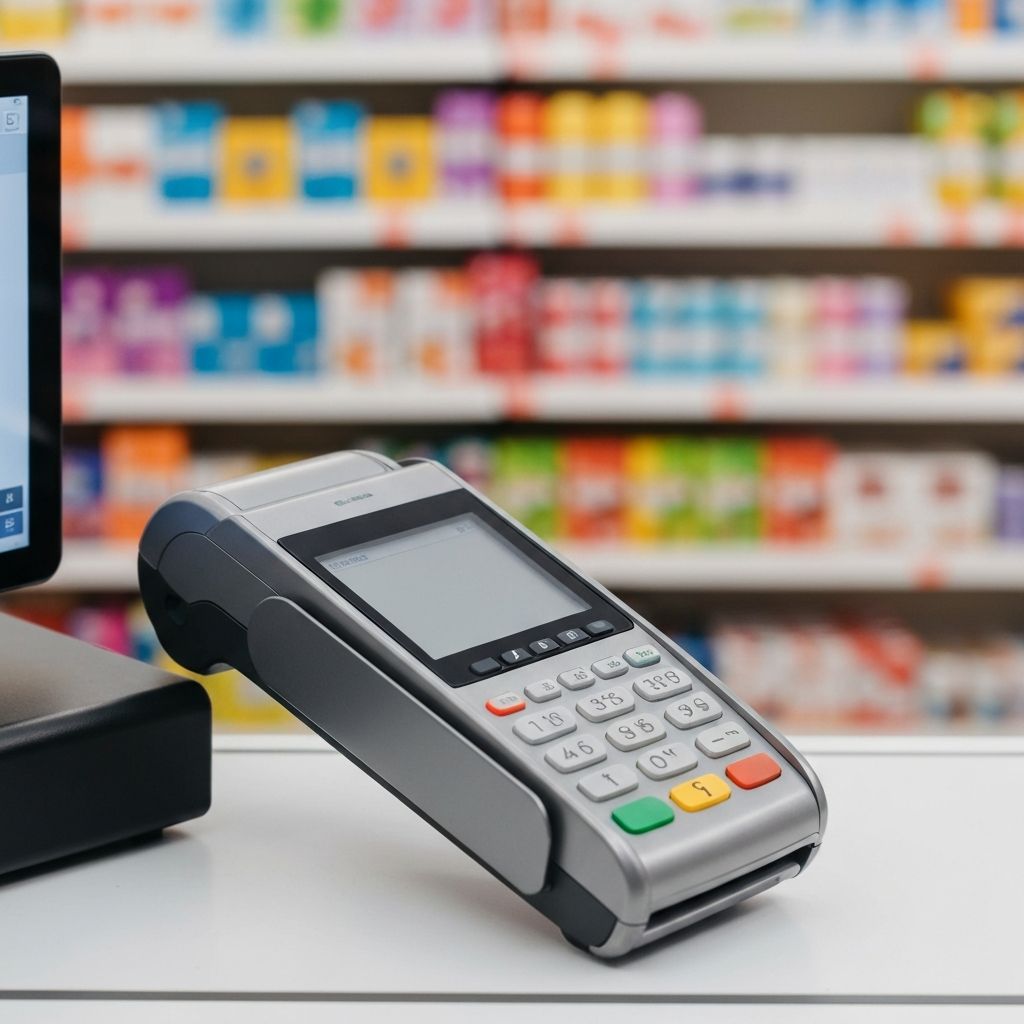
Thanksgiving 2013. Millions of Americans were heading to Target for Black Friday deals, swiping their credit and debit cards without a second thought. What they didn't know was that every transaction was being quietly copied by hackers who had been inside Target's network for weeks.
By the time the breach was discovered, attackers had stolen 40 million credit and debit card numbers and personal information from 70 million customers. The total cost to Target would exceed $292 million.
And it all started with an HVAC contractor.
The Unlikely Entry Point
Fazio Mechanical Services was a small heating, ventilation, and air conditioning company in Pennsylvania. They had a contract with Target to monitor energy consumption and temperatures at various stores. To do this, they had been given network credentials that connected to Target's systems.
The attackers didn't try to break into Target directly. Instead, they sent phishing emails to Fazio employees. Someone clicked. Malware was installed. Credentials were stolen.
With Fazio's network login in hand, the hackers accessed Target's network. From there, they moved laterally through the system until they reached their real target: the point-of-sale terminals where customers swiped their cards.
The Attack Unfolds
The timeline reveals just how much time the attackers had to operate:
- November 15, 2013: Attackers begin installing malware on Target's point-of-sale systems
- November 27, 2013: Black Friday—peak data collection begins
- December 2, 2013: Target's security systems flag suspicious activity
- December 12, 2013: The Department of Justice contacts Target about the breach
- December 15, 2013: Target finally removes the malware
- December 19, 2013: Target publicly confirms the breach
The malware installed on Target's payment terminals was a RAM scraper—it captured card data from memory during the brief moment when transactions were being processed. The stolen data was then bundled and sent to servers controlled by the attackers.
For nearly three weeks, every card swipe at an infected terminal was compromised.
The Security Systems That Cried Wolf
Here's what makes this breach particularly painful: Target's security tools actually detected the attack. The company had invested in a sophisticated malware detection system from FireEye. On December 2, that system flagged the suspicious activity and sent alerts to Target's security team.
Nothing happened. The alerts were either missed or ignored.
Target only learned the full extent of the breach when the Department of Justice contacted them—meaning federal investigators knew about the attack before Target's own security team acted on it.
This wasn't a technology failure. The technology worked. It was a process failure. Alerts without action are just noise.
Why Vendor Access Matters
The Target breach became a textbook case for third-party security risk. Here's what went wrong:
Excessive access: Why did an HVAC company need network credentials that could lead to payment systems? Fazio needed access to monitor temperatures and energy usage—not anything that touched credit card processing. But Target's network wasn't properly segmented.
No monitoring of vendor activity: Fazio's credentials were used to access parts of Target's network that an HVAC company would never need. This unusual access pattern should have triggered alerts.
Weak vendor security requirements: Fazio was a small company with limited security resources. They were using a free version of Malwarebytes for their antivirus protection. Target didn't require vendors to meet specific security standards before granting network access.
The Cost of Compromise
The financial impact on Target was staggering:
- $292 million in direct breach-related costs
- $18.5 million settlement with 47 state attorneys general
- $10 million class-action settlement with affected customers
- $39 million settlement with banks and credit unions
- 46% drop in profits for Q4 2013
Beyond the financial damage, the breach cost jobs at the highest levels. Target's CEO Gregg Steinhafel resigned in May 2014. The company's CIO had already left in March.
And the reputational damage? During what should have been their most profitable season, Target became synonymous with data breach. Customers stayed away. Sales dropped. Rebuilding trust took years.
Lessons for Every Business
You don't need to be a Fortune 500 retailer to learn from Target's mistakes. The same principles apply to any business that works with vendors, contractors, or third-party services.
Limit Vendor Access to What's Necessary
The principle of least privilege applies to vendors too. If a contractor needs access to one system, don't give them the keys to your entire network. Create separate credentials with specific, limited permissions.
Ask yourself: What's the minimum access this vendor needs to do their job? Grant exactly that and nothing more.
Segment Your Network
If Target's payment systems had been isolated from the vendor access network, the attackers would have hit a wall. Network segmentation—dividing your network into separate zones with controlled access between them—limits how far an attacker can move once they get in.
Think of it like fire doors in a building. A fire in one room doesn't have to burn down the whole structure.
Vet Your Vendors' Security
Your security is only as strong as your weakest vendor. Before granting any third-party access to your systems, ask about their security practices:
- What antivirus and endpoint protection do they use?
- How do they train employees on phishing and security awareness?
- Do they encrypt sensitive data?
- Have they had any security incidents?
For critical vendors, consider requiring security certifications or conducting periodic audits.
Act on Security Alerts
Target's detection tools worked. The alerts were generated. But no one acted on them quickly enough. If you invest in security tools, you need processes to ensure alerts get reviewed and investigated.
- Define clear escalation procedures
- Assign ownership for reviewing alerts
- Set response time expectations
- Document and learn from false positives to improve signal quality
Plan for the Worst
Have an incident response plan before you need one. Know who to contact, what to shut down, and how to communicate—both internally and to customers. Practicing your response makes the real thing less chaotic.
The Lasting Impact
The Target breach changed how businesses think about third-party risk. It demonstrated that you can have the best security tools in the world and still get breached through a vendor who doesn't.
It also accelerated the adoption of chip-based credit cards in the United States. The stolen magnetic stripe data was valuable because it could be used to create counterfeit cards. Chip cards generate unique codes for each transaction, making stolen data far less useful.
For Target, the breach was a turning point. They invested heavily in security improvements, hired their first CISO, and rebuilt their security operations. But they'd have traded all of that to have simply acted on those December 2 alerts.
The Bottom Line
The Target breach is a reminder that your security perimeter extends to everyone who has access to your systems. An HVAC contractor in Pennsylvania became the entry point for one of retail's largest data breaches.
Protect your business by limiting vendor access, segmenting your network, vetting your partners' security practices, and actually responding when your security tools raise alarms.
Your vendors' security is your security. Act accordingly.